Gardening Services in Kenton
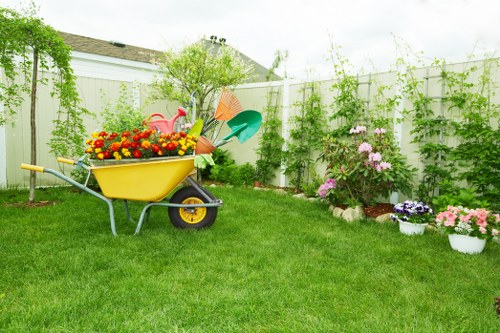
Gardening Services Kenton is built around practical, well-planned outdoor care for homes and premises that need a tidy, usable finish. The work can cover routine upkeep, one-off garden improvements and heavier clearance tasks, depending on what the space needs and how quickly the area must be brought back under control. Our approach is straightforward: assess the condition of the garden, agree the scope clearly, and carry out the relevant work in a tidy sequence so the results are easy to maintain.
For many customers, the right service is a mix of routine maintenance and selective improvement rather than a single large project. That may include mowing, hedge care, weeding, border attention, cutting back growth, clearing away waste and refreshing tired areas so the garden looks intentional again. If you need a broader refresh, we can also support larger-scale work that changes the shape or function of the space, from simplification of overgrown plots to more structured landscape gardening.
The best starting point is a clear description of the garden’s current state and what you want it to become. A short list of priorities helps us focus on the right tasks, whether the job is mainly visual, mainly practical, or a combination of both. If you are comparing options, think first about what must be done now and what can wait for a later visit. You can then request a quotation once the scope is clear.
Routine Garden Maintenance
Regular garden maintenance is often the simplest way to keep an outdoor space looking cared for without waiting until problems become overwhelming. This type of work may include grass cutting, edging, weed control, light pruning, leaf clearance and general tidying of beds, borders and paths. The aim is not to overwork the garden, but to keep growth in proportion and prevent avoidable build-up that makes later work more difficult.
Our maintenance visits are suited to gardens that need a reliable, repeatable standard of care. Some customers want consistent visual neatness, while others are more concerned with keeping access clear and managing growth around fences, steps, paths and planting areas. We can adjust the scope to suit the layout, and we always work with the existing garden rather than trying to force it into a style it does not support. Practical care is often the most cost-conscious route when the aim is simple control rather than a full redesign.
Typical maintenance tasks may include:
- mowing and edging for a cleaner finish
- weeding of borders, paths and other accessible areas
- light trimming to keep plants in shape
- removal of minor green waste and debris
- seasonal tidying to keep the plot manageable
Garden Clearance and Overgrowth Work

When a garden has become heavily overgrown or cluttered, clearance work can make the biggest immediate difference. This service is about restoring order: removing unwanted growth, opening up access, dealing with accumulated garden waste and bringing the space back to a state where it can be maintained properly. It is especially useful when a site has been left for a while, when weeds and brambles have spread, or when there are old materials mixed into the garden that need sorting out.
Clearance is not the same as regular maintenance, because the starting point is usually more demanding and the end result is about recovering usable ground. The work may involve cutting back dense vegetation, stripping out dead or unwanted material, clearing congested corners and identifying what should stay in place. Where a garden contains both green waste and general outdoor clutter, it helps to separate the work into sensible stages so that the whole area can be handled efficiently and safely.
If you are arranging a quotation, it is helpful to note any areas that are difficult to reach, any large items that need moving, and whether the garden includes sheds, side access or rear access. That detail helps define the labour and disposal involved without adding unnecessary complexity. Clearance and tidy-up work is often most effective when the target outcome is described clearly: fully cleared, partially reduced, or prepared for follow-up landscaping.
Hedge Trimming and Shrub Care
Hedge trimming plays a major role in keeping boundaries neat, maintaining shape and preventing planting from encroaching into paths, driveways or neighbouring spaces. A good trim is not only about height; it also helps restore density, create cleaner lines and remove weak or stray growth. Shrubs can benefit from the same measured attention, especially when they have become uneven, straggly or too dominant for the border they occupy.
The work has to be judged carefully because different hedges and shrubs respond differently to cutting. Some plants are best trimmed lightly and regularly, while others need a more considered reduction to avoid patchy regrowth. We focus on achieving an even result that respects the plant’s natural form and the practical purpose it serves in the garden. This may include shaping formal hedges, softening overgrown edges or cutting back plants that are beginning to obstruct light and movement.
Where hedges mark a boundary or enclose a front garden, a tidy finish can improve the overall appearance of the property as well as the garden itself. If there are mixed planting areas, we can combine hedge work with selective pruning so that the border feels balanced rather than overcut. For many clients, a clean outline and controlled growth are the main goals, and those are exactly the points we work toward.
Lawn Care and Grass Cutting
A well-kept lawn often sets the tone for the rest of the garden, so grass cutting and related care deserve their own attention. The service can include regular mowing, edging and finishing touches that help the grass area look even and intentional. If the lawn has become long or uneven, the approach may need to be adjusted so that the cut is sensible for the condition of the turf rather than rushed for appearance alone.
Good lawn care is not only about the visible cut. It also means judging when the grass should be shortened, how much should be removed at each visit and whether the surrounding edges need attention to make the result look complete. In some gardens, the lawn sits alongside borders, paving or planting that require careful handling to avoid rough edges or stray clippings. A professional finish usually comes from combining the cut with light detail work rather than treating the lawn in isolation.
Where appropriate, we can combine mowing with basic tidying around the lawn so that the whole area looks coherent. That may include clearing loose cuttings, neatening corners and keeping the transition between grass and path sharp. For customers who want a manageable outdoor space with a clean central feature, lawn work is often one of the most valuable parts of the visit.
Landscape Gardening and Outdoor Improvements

Landscape gardening is the part of the service that goes beyond routine upkeep and into shaping the space itself. It may involve refreshing borders, improving the layout of planting areas, creating cleaner lines between hard and soft surfaces, or changing how different parts of the garden connect. The right level of work depends on whether the aim is a subtle improvement or a more noticeable change in function and appearance.
We can support projects that make a garden easier to use as well as easier to maintain. That might include creating clearer circulation through the space, reducing visual clutter, or simplifying areas that have become difficult to look after. Some gardens benefit from a lighter touch, where the key decision is what to retain and what to remove, while others need more substantial adjustment to produce a better balance between open space and planting.
Before any larger improvement begins, it helps to decide which features are staying, which parts are being modified, and whether the priority is style, access or maintenance. A well-considered plan avoids unnecessary work and keeps the job within a realistic scope. If you are weighing up options, use the first conversation to set the direction, then request a quotation once the preferred approach is settled.
Preparing for Work and Pricing Factors
Useful quotations usually depend on a few practical details rather than a long explanation. The size of the area, the amount of growth or waste, the accessibility of the garden and the type of work all influence how a job is priced. A small, straightforward maintenance visit is very different from a heavy clearance or a mixed project that combines trimming, removal and tidying. Being clear about the scope helps keep the quote relevant and prevents unnecessary assumptions.
It is often enough to describe the current condition in plain terms: whether the lawn is overgrown, whether hedges need shaping, whether the garden contains loose debris, and whether access is direct or restricted. If photos are available, they can help, but a photo should complement the description rather than replace it. Clear instructions save time and make it easier to decide whether a maintenance visit, a clearance visit or a broader landscaping job is the right fit.
For a straightforward enquiry, you can mention the main priorities, the preferred timing and any areas that need special care. That gives a practical basis for comparison and allows the quotation to reflect the actual work required. If you already know the result you want, make that the focus of your enquiry and ask us to price it accordingly.
Property Types and Garden Layouts

Gardens come in many forms, and the service needs to fit the layout rather than the other way around. Some sites have open lawns and broad borders, while others contain narrow side passages, enclosed rear spaces, paved sections or mixed planting around the edges. The work plan should reflect that structure so that the final result looks balanced and remains practical to maintain. A good result often depends on respecting what the garden already offers and removing only what is causing the problem.
We can work with front gardens, back gardens and shared outdoor spaces where the priority is keeping the area neat and accessible. In a compact garden, precision matters more than scale; in a larger one, the key challenge may be keeping the work consistent across different sections. That is why the same service can feel quite different from one property to another. A thoughtful approach helps avoid overcutting, uneven finishes or unnecessary disturbance to planting and surfaces.
When a garden has several functions, such as sitting areas, access routes and growing spaces, it helps to decide which function should lead the design. Some customers want the easiest possible maintenance outcome, while others want stronger visual structure. Both can be supported, but the quotation should reflect the chosen direction. If your space has unusual access or multiple zones, include that in the enquiry so the scope is understood from the start.
About Kenton
Kenton is an area in north-west London associated with the London Borough of Brent and the outer edge of the capital’s urban fabric, where suburban streets meet larger transport corridors and a varied mix of housing styles. The name is shared with nearby districts in other parts of London, so it is often useful to think of Kenton here as the Brent locality centred around Kenton Road, Kenton Lane and the station area rather than as a generic place label. The district grew in character during the twentieth century as surrounding development expanded outward from older village and estate patterns, and its present-day identity reflects that layered change. Rail access is an important part of the area’s structure, with Kenton station on the Bakerloo line and London Overground forming a local focal point, while the nearby routes connect the district with Wembley, Harrow and other parts of northwest London. The surrounding streets are largely residential, but the area also sits close to major roads and open spaces that shape how people move through it. Eastcote Lane and the A4006 corridor help define the wider setting, while the edges of the district remain tied to neighbouring suburban communities. Local green space is part of the appeal of the wider borough landscape, and the area lies within reach of parks and recreation grounds that soften the built environment. Kenton’s everyday character is therefore suburban and practical rather than ceremonial, with a focus on housing, transport connections and access to the broader amenities of northwest London.
Tree Work and Larger Outdoor Tasks

Some gardens need more than trimming and tidying, especially where larger growth begins to affect light, access or safety around the plot. Tree-related work can include cutting back branches, reducing troublesome growth and removing material that has become unmanageable within the available space. The exact scope depends on the tree, its position and the way it interacts with surrounding planting, fences, structures and paths. A careful approach is important because heavy cutting can change both appearance and regrowth patterns.
Tree and larger growth work is often linked to wider garden management rather than standing alone. A tree may be part of a clearance job, a maintenance schedule or a broader landscape improvement. In each case, the purpose is to restore balance and keep the outdoor space workable. If a tree is causing shade, crowding or obstruction, the solution may be reduction, shaping or removal of the affected material, depending on what the site can support and what the customer wants to keep.
When requesting this kind of work, it helps to explain the position of the tree or tall growth, whether it is near a boundary or structure, and whether the task is part of a bigger garden project. That gives a more accurate basis for planning and quotation. For any larger outdoor job, the final step is simple: tell us what needs changing, then ask for a quotation.